The weight loss landscape has changed dramatically with the rise of GLP-1 medications like Ozempic and Wegovy, leaving many wondering whether these injections outperform conventional dieting. While both approaches can help you shed pounds, research shows that GLP-1 medications typically produce more significant weight loss in the short term – often 15-20% of body weight compared to 5-10% with diet alone – but the most effective long-term strategy combines medication with sustainable lifestyle changes, as neither approach works optimally in isolation. A physician-led weight loss clinic in Starke, FL can help you combine medication with a plan you can keep.
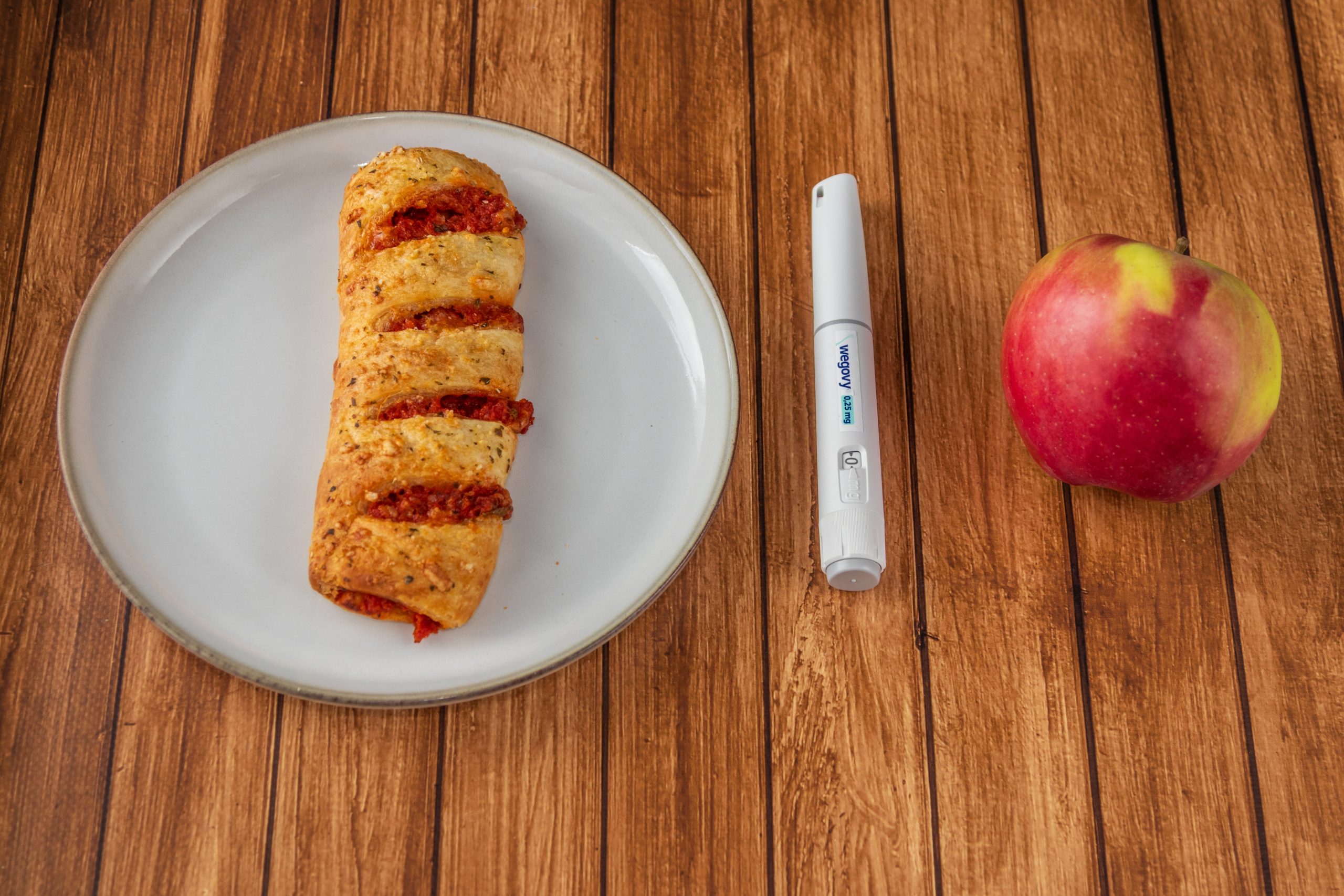
Table of Contents
GLP-1 (glucagon-like peptide-1) receptor agonists represent a breakthrough in obesity treatment. These medications mimic a hormone your body naturally produces after eating, which regulates appetite and blood sugar levels. When you receive these injections, they work by slowing digestion, reducing hunger signals to your brain, and helping you feel fuller for longer periods.
The mechanism is elegantly simple yet powerful. Your brain receives signals that you’re satisfied with less food, making it easier to reduce calorie intake without the constant battle against hunger that derails many traditional weight loss attempts. This biological advantage explains why people using these medications often find it easier to maintain a caloric deficit compared to willpower alone.
Currently, several FDA-approved GLP-1 medications are available for weight management, including semaglutide (marketed as Wegovy for weight loss and Ozempic for diabetes) and tirzepatide (Mounjaro and Zepbound). These medications have undergone rigorous clinical trials demonstrating their effectiveness and safety profiles.
Diet-based weight loss operates on the fundamental principle of creating a calorie deficit – consuming fewer calories than your body burns. This approach has been the cornerstone of weight management for decades and comes in countless forms, from low-carb and Mediterranean diets to intermittent fasting and portion-control strategies.
The advantages of dietary approaches include:
No medication costs or medical supervision required
Complete control over food choices and eating patterns
Opportunity to develop lasting healthy eating habits
No pharmaceutical side effects to manage
Can be tailored to personal preferences, cultural foods, and lifestyle
Traditional diets teach you about nutrition, portion sizes, and the relationship between food choices and weight. These lessons create a foundation for long-term health that extends beyond the number on the scale. When done correctly, dietary changes improve not just weight but also energy levels, sleep quality, and overall wellness.
Clinical trials reveal stark differences in weight loss outcomes between GLP-1 medications and diet alone.
Research on semaglutide shows participants losing an average of 15-20% of their body weight over 68 weeks, while tirzepatide has demonstrated even more impressive results, with some participants losing up to 22% of their starting weight.
In contrast, comprehensive diet and exercise programs typically produce 5-10% weight loss over similar timeframes. While this might seem modest, even a 5% reduction in body weight can significantly improve health markers like blood pressure, cholesterol, and blood sugar levels.
The speed of weight loss also differs considerably. GLP-1 medications often produce noticeable results within the first month, whereas dietary changes may take longer to show significant effects. This rapid initial success with medications can be motivating, but it also raises important questions about what happens when treatment stops.
No weight loss approach comes without drawbacks, and GLP-1 medications are no exception. The most common side effects include:
Nausea and vomiting, especially when starting treatment
Diarrhea or constipation
Abdominal pain and bloating
Fatigue and dizziness
Potential for gallbladder problems with long-term use
Most side effects are mild to moderate and often improve as your body adjusts to the medication. However, some people cannot tolerate these medications and must discontinue use. More serious but rare risks include pancreatitis and thyroid tumors, which is why these medications require medical supervision.
Traditional diets carry different risks. Extremely restrictive eating patterns can lead to nutrient deficiencies, muscle loss, fatigue, and, in some cases, disordered eating. Rapid weight loss through severe calorie restriction can also cause gallstones, electrolyte imbalances, and metabolic slowdown.
Whether you’re considering GLP-1 medications or a structured diet plan, consultation with a healthcare provider is essential. These professionals can assess your overall health, identify any underlying conditions contributing to weight gain, and determine which approach aligns best with your medical history.
Your healthcare provider can also monitor your progress and adjust your treatment plan as needed. For medications, this means managing dosages and watching for adverse effects. For dietary approaches, it might involve referring you to a registered dietitian who can create a personalized nutrition plan.
Medical supervision becomes especially important if you have conditions like diabetes, heart disease, or a history of eating disorders. Your healthcare provider can help you navigate these complexities and avoid approaches that might worsen existing health issues.
Emerging research suggests that combining GLP-1 medications with lifestyle modifications produces superior long-term results compared to medication alone. When people receiving these injections also work with dietitians, participate in exercise programs, and receive behavioral counseling, they not only lose more weight but are also better positioned to maintain their losses.
This combined approach addresses a critical weakness of medication-only strategies: what happens when you stop taking the drug? Studies show that without established healthy habits, many people regain most of the weight they lost once they discontinue GLP-1 medications. However, those who used their time on medication to build sustainable eating and exercise habits fare much better after stopping treatment.
The decision between GLP-1 medications and traditional diets isn’t always either/or. For some people, medications provide the jumpstart needed to overcome biological barriers to weight loss, making it easier to establish healthy habits. For others, a well-designed dietary approach with professional support may be sufficient and preferable.
Consider GLP-1 medications if you have a BMI over 30 (or over 27 with weight-related health conditions), have struggled repeatedly with diet-only approaches, or have medical conditions that would significantly improve with substantial weight loss. These medications work best as part of a comprehensive program that includes nutrition education and lifestyle changes.
Choose a diet-focused approach if you prefer avoiding medications, have a lower amount of weight to lose, are willing to invest time in learning about nutrition and behavior change, or have medical reasons that make GLP-1 medications unsuitable.
The debate of weight-loss injections vs diet isn’t about declaring a single winner, but rather understanding how prescription weight-loss medications work alongside lifestyle changes to achieve sustainable weight loss. While weight-loss medicines can powerfully influence your body’s natural systems to reduce appetite and improve fat metabolism, they work best when paired with a comprehensive weight-loss plan that helps you eat healthy and supports your mental health throughout the journey. These medications enhance fat burning and help your body burn fat efficiently, but without learning to absorb fat properly through nutrition education and maintaining a healthy diet, many people regain weight once treatment ends. The benefits extend beyond the scale too – both approaches can lower blood pressure and address various health problems when done correctly.
Ultimately, lasting weight management requires honest evaluation of your health history, your relationship with food, and your readiness for change. Whether you pursue medications, dietary changes, or a combination of both, success depends on building habits that support your well-being for years to come. Work closely with healthcare professionals who understand your unique situation, commit to the process even when progress feels slow, and remember that sustainable weight loss is a marathon, not a sprint. The right approach is the one you can maintain long-term while improving not just your weight, but your overall health and quality of life.