
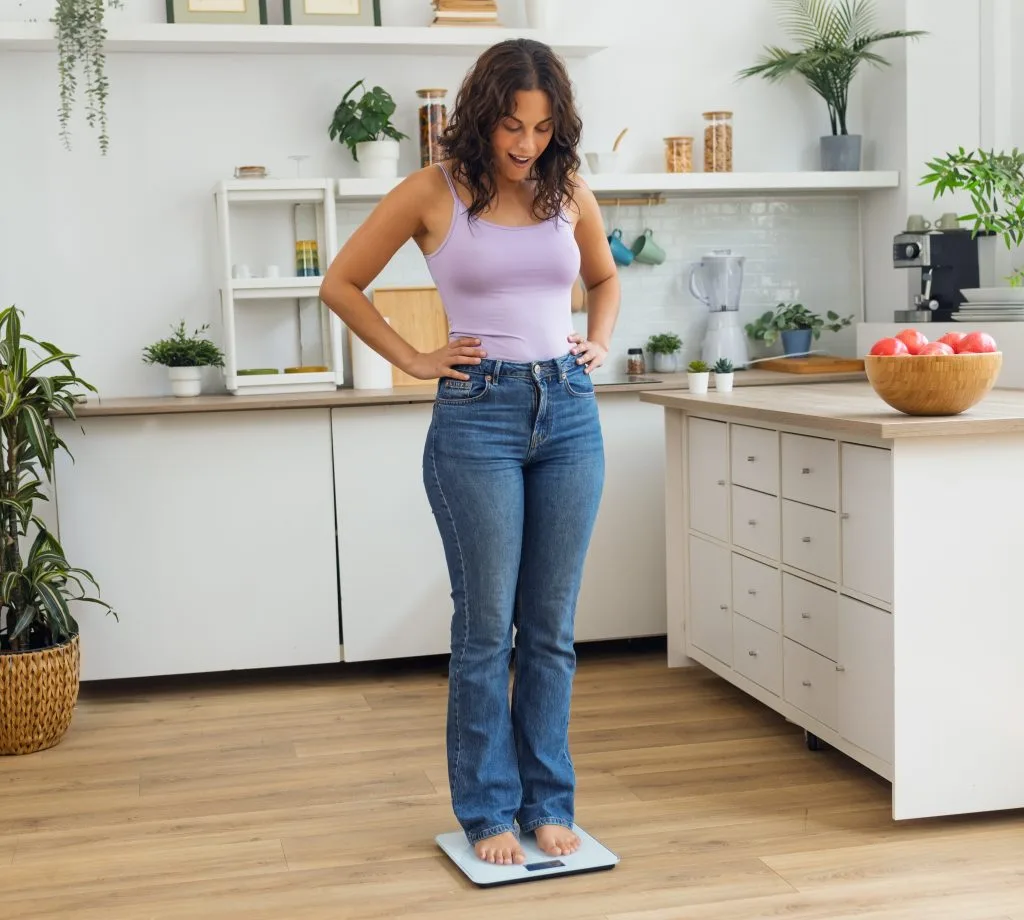
If you’ve been struggling with your weight for a while, you’ve probably asked yourself this question more than once. The good news? For most people today, weight-loss injections like semaglutide and tirzepatide offer a safe, effective, and far less invasive path to meaningful results – no operating room required. Surgery still has its place for certain patients, but modern medical weight loss has genuinely changed what’s possible without going under the knife. Understanding how these two options compare can help you make the decision that actually fits your life, your health, and your goals. If you want physician guidance without rushing into surgery, start at our medical weight loss clinic in Starke.
Weight-loss injections are prescription medications given once a week – either self-administered at home or at a clinic. The most well-known options right now are semaglutide (the active ingredient in Ozempic and Wegovy) and tirzepatide.
These medications work by mimicking hormones your body naturally produces to regulate hunger and blood sugar. In simple terms, they tell your brain you’re full sooner, slow the rate at which your stomach empties, and reduce the constant food noise that makes dieting so exhausting. The result is that eating less feels less like willpower and more like just… not being that hungry.
Clinical studies have shown that patients can lose 15-20% of their body weight with semaglutide over time. Tirzepatide, which targets two hormone receptors instead of one, has shown even stronger results in some patients.
These injections are offered as part of a physician-supervised program that includes a customized diet plan and ongoing check-ins with Dr. Melinda Keener, so you’re never just handed a prescription and sent on your way.
Bariatric surgery, which includes procedures like gastric bypass, gastric sleeve, and gastric banding, physically changes the structure of your digestive system. Depending on the type, it might reduce the size of your stomach, reroute part of your intestine, or both.
Surgery can produce dramatic results. Patients often lose 50–70% of their excess body weight, and many see rapid improvements in type 2 diabetes, sleep apnea, and joint pain. For people with severe obesity and serious health complications, it can genuinely be life-changing.
But it comes with real trade-offs:
It’s irreversible (or extremely difficult to reverse) in most cases
Recovery takes weeks, sometimes months
There are real surgical risks, including infection, blood clots, and nutritional deficiencies
It requires lifelong dietary changes and vitamin supplementation
It’s not available to everyone – most programs require a BMI of 35–40+ or a BMI of 30+ with serious comorbidities
Surgery is a permanent solution. That’s its strength and its biggest drawback.
Here’s an honest way to think about it.
Weight-loss injections are likely a better fit if you:
Have a BMI of 27 or higher and want to start losing weight without surgery
Are managing conditions like prediabetes, high blood pressure, or elevated cholesterol
Have tried diet and exercise but keep hitting a wall
Want a reversible option – if you stop the medication, your body goes back to its baseline
Prefer to avoid surgical risk and recovery time
Don’t have significant thyroid or pancreas conditions
Bariatric surgery may be worth considering if you:
Have a BMI of 40 or higher, or 35+ with serious obesity-related health conditions
Have not responded to other medically supervised weight-loss treatments
Are prepared for the lifelong dietary and lifestyle changes surgery requires
Have been evaluated by a bariatric team and cleared as a good surgical candidate
The reality is that most people asking this question are not in a category that requires surgery. They’re people who’ve tried on their own, maybe lost some weight and regained it, and feel stuck. For that group, weight-loss injections have become a genuinely powerful option that didn’t exist even a decade ago.
“Injections are just a shortcut.”
No more than blood pressure medication is a shortcut for managing hypertension. Obesity has biological drivers – hormones, genetics, metabolism – that make it genuinely difficult to lose weight through willpower alone. These medications work with your biology, not against it.
“Surgery is more effective, so it’s always better.”
Surgery does produce larger average weight loss. But it also carries more risk, is permanent, and is simply not appropriate for everyone. A potential 15–20% reduction in body weight from injections is clinically significant – enough to dramatically reduce your risk of diabetes, heart disease, and joint problems. Bigger isn’t always better when the other option comes with an operating room.
“You’ll just gain it all back when you stop the injections.”
This is a real consideration, not a myth. The weight-loss injections work while you’re on them. That’s why the most effective programs – like Trifecta Weight Loss Plan – pair medication with a customized nutrition plan and ongoing doctor guidance. The goal is to use the medication’s appetite-regulating effects to build habits that stick.
Our weight-loss injection program is built around three pillars:
Medication support (with proper dosing and monitoring)
A personalized diet plan
Regular check-ins with Dr. Keener.
It’s a three-month program designed to deliver steady, sustainable results – not a crash diet with a side of paperwork.
Most patients start noticing reduced cravings and gradual weight loss within the first month. Side effects, when they occur, are typically mild GI symptoms like nausea or constipation, and they usually fade as the body adjusts. Starting at a lower dose and titrating up – which is exactly how Dr. Keener manages the program – significantly reduces the likelihood of side effects in the first place.
Bariatric surgery typically costs between $15,000 and $25,000 or more, and insurance coverage is often limited or requires extensive documentation. Weight-loss injections run approximately $350 to $1,500 per month depending on the medication and dosage – and while that’s not nothing, it’s a very different financial conversation.
The best way to understand what your specific plan would look like is to schedule a consultation with Dr. Keener and get a clear picture upfront.
Surgery is a powerful tool. But it’s not the only one, and for many people, it’s far more than they need. Weight-loss injections have changed the landscape of medical weight management, offering real results in a way that fits into daily life.
If you’re ready to explore what a medically supervised weight-loss program could look like for you, The Weight Doctor is here to help. Dr. Keener and her team take the time to understand your health history, your goals, and your life – and build a plan around all three. You don’t have to figure this out alone, and you don’t have to go to surgery to get serious results.
Book a consultation and take the first step toward a healthier you.

About the Author
Dr. Melinda Keener