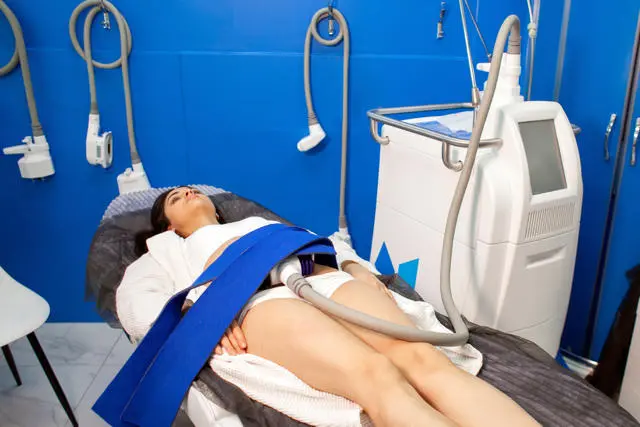
Fat cells destroyed by do not come back. Once the treated cells are gone, your body clears them out for good. The remaining fat cells in that area and across your body can still grow larger if you gain weight. permanently reduces the number of fat cells in a treated spot. It does not stop your body from storing fat in the cells you still have. Your long-term result depends on what happens after treatment.
This guide explains how works, what your body does with the treated fat, why some patients feel their results fade, and how to protect the shape you worked for. At The Weight Doctor, we offer alongside medical weight loss and wellness care. That combination shapes how we talk with patients about lasting results.
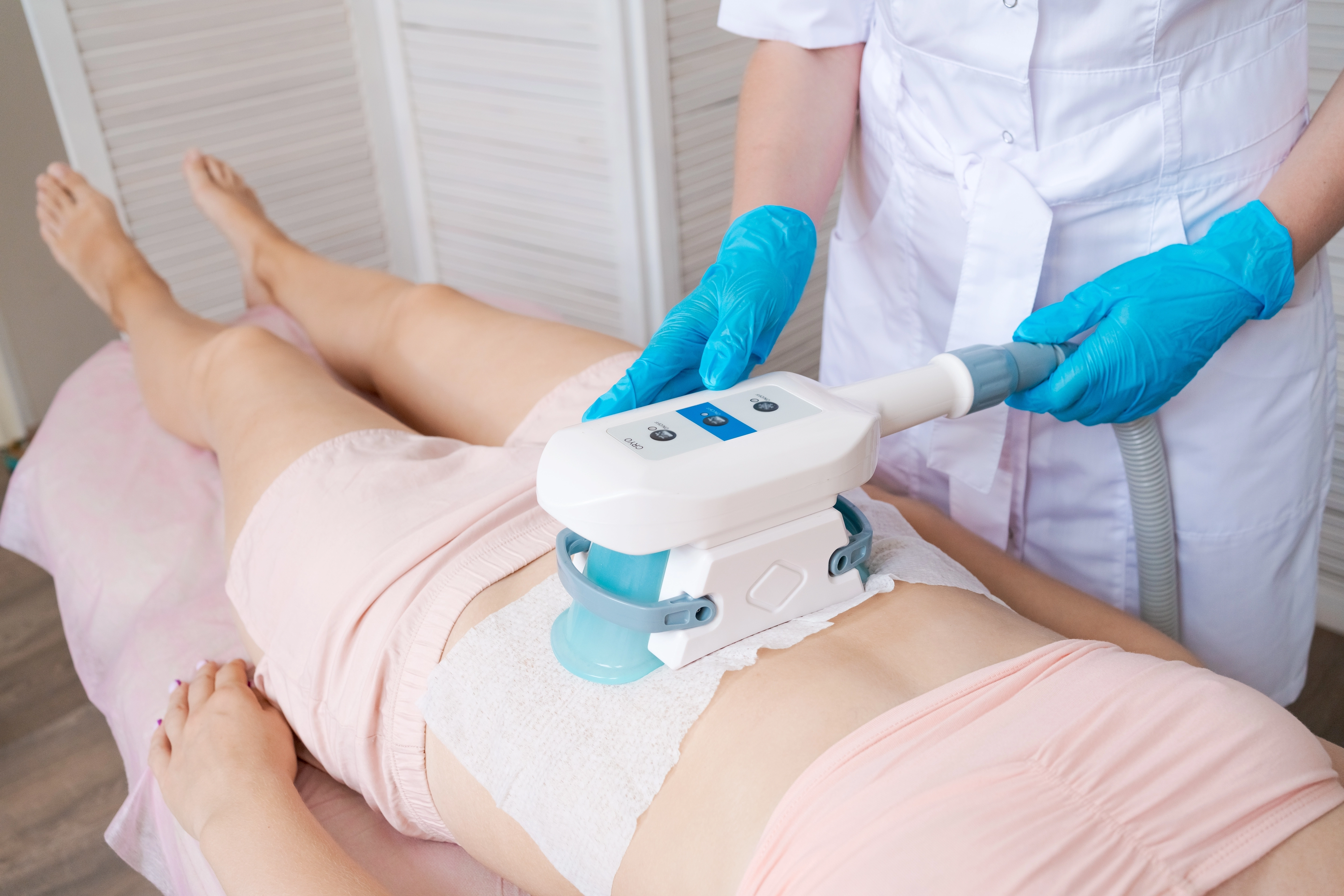
Fat-freezing treatment is a nonsurgical way to contour the body. It is based on a process called cryolipolysis, a name that combines three ideas: cold, fat, and breakdown. During a session, controlled cooling is applied to a targeted area to reach the fat cells beneath the skin. The skin, muscle, and surrounding tissue stay intact. There are no incisions and no anesthesia, and most patients return to their normal routine the same day.
Fat cells are more sensitive to cold than many other cells in the body. Skin, muscle, and nerves can tolerate a level of cooling that fat cells cannot. takes advantage of that difference. When fat cells are cooled to a specific temperature for a set period, they begin a natural, gradual process of cell death called apoptosis.
Apoptosis is not a sudden event. The fat cells do not burst or melt during treatment. Instead, they break down slowly over the following weeks. This explains why patients do not walk out of a session looking different. The change happens on your body’s own timeline.
Fat-freezing treatment is designed for pinchable fat. That is the soft layer you can grab between your fingers on the abdomen, flanks, thighs, or under the chin. It is not designed to treat visceral fat, which sits deeper around the organs. It is also not a weight loss treatment. The goal is shape, not a lower number on the scale.
This distinction matters for the long-term question. changes the contour of a specific area by lowering the number of fat cells there. It does not change your metabolism, your appetite, or the way your body handles extra calories. Those factors keep working after treatment, and they shape what you see years later.
The patients who tend to be happiest with are close to their goal weight but have stubborn areas that do not respond to diet and exercise. A small pocket of lower belly fat or a bulge along the flanks are common examples. These areas often hold on to fat even when the rest of the body slims down.
Patients who want significant weight loss are usually better served by starting with a medical weight loss plan. Once weight is closer to a stable goal, can refine the areas that remain. Dr. Melinda Keener, our cosmetic surgeon, looks at your overall goals, your body shape, and your weight history before recommending a path. Her surgical background shapes how she evaluates contour and proportion.
After treatment, the fat cells that were damaged by cold begin to break down. Your body treats them the way it treats any other cells that have reached the end of their life. The immune system sends cells to the area to clean up the debris.
Over the following weeks, the broken down fat cells are processed and removed through your body’s natural systems. The lymphatic system plays a large role in clearing the material. The fat content from those cells is handled by the body in the same way it handles fat released from cells during normal weight loss.
This process takes time. Many patients begin to notice changes around three weeks after treatment. The most visible changes usually appear around two to three months. Some patients continue to see subtle improvement beyond that point as the body finishes clearing the area.
The key point for long-term results is this: the treated fat cells are not shrinking. They are leaving. A fat cell that has gone through apoptosis and been cleared from your body is gone for good. Your body does not rebuild those exact cells in the same spot.
Adults have a fairly stable number of fat cells. When you gain or lose weight, the main change is in the size of those cells, not the number. Fat cells expand to store more energy and shrink when that energy is used.
Diet and exercise shrink fat cells. They do not remove them. This is one reason weight can come back in the same areas after a diet ends. The cells are still there, ready to fill up again.
Fat-freezing treatment works differently. It lowers the number of fat cells in the treated area. With fewer cells in that spot, there is less capacity for that area to store fat in the future. This is why a treated area often holds its new shape even when weight shifts a little.
The removal of treated fat cells is permanent. The overall look of the area can still change over time. Both statements are true, and understanding the difference is the heart of the question we explore in “Does Fat Come Back After ? The Long-Term Truth.”
Think of the treated area as having fewer storage containers. Those containers are gone. The containers that remain can still fill up. If you gain a meaningful amount of weight, the remaining fat cells in the treated area will grow, along with fat cells everywhere else in your body.
Because the treated area has fewer cells, it usually gains fat more slowly than untreated areas. The improvement in shape tends to remain visible compared with how the area would have looked without treatment. A larger weight gain can still soften or hide the result.
Many patients hear the word “permanent” and assume their body will look exactly the same forever. That is not how bodies work. Age, hormones, pregnancy, muscle loss, and lifestyle all change how the body looks over the years.
Fat-freezing treatment permanently changes one factor: the number of fat cells in the treated area. Everything else stays in your hands or follows natural changes over time. Setting this expectation early helps patients feel satisfied with their results for years rather than months.
When patients feel their results have faded, a few common reasons usually explain it:
Weight gain after treatment. The remaining fat cells in the treated area and nearby areas have grown larger.
Fat stored in untreated neighboring areas. If the lower abdomen was treated but the upper abdomen was not, new weight may show up just above the treated zone and change the overall shape.
Changes in muscle tone. Weaker core muscles can allow the abdomen to push forward, which can look like fat even when it is not.
Hormonal shifts. Changes during menopause or with age can affect where the body stores fat.
Visceral fat. Fat stored deep around the organs can make the abdomen look fuller, and does not treat this type of fat.
None of these mean the treated fat cells returned. They mean other factors changed the look of the area. Knowing the cause helps us recommend the right next step.
For patients who keep a stable weight, results can last for many years. Because the treated fat cells are permanently removed, there is no built-in expiration date on the result. The area keeps its reduced fat cell count for life.
In practical terms, how long your results last depends on three things:
Weight stability. Patients who stay within a steady weight range tend to keep their contour longest.
Lifestyle habits. Regular movement, balanced eating, good sleep, and stress management help keep remaining fat cells from growing.
Natural aging. Skin elasticity and muscle tone change with age, and these changes affect how any area looks over time.
Small changes of a few pounds are part of normal life. Holidays, travel, and busy seasons can all shift weight slightly. These small swings usually do not erase results. The treated area tends to hold its improved shape through normal ups and downs.
Larger weight gain is different. When weight increases significantly, all remaining fat cells expand. The treated area will gain some fat too, even if it gains less than other areas. Over time, a large gain can make the treated area look closer to how it looked before treatment.
Some patients choose more than one session on the same area. A second session can remove another portion of fat cells and deepen the result. Others choose to treat neighboring areas so the body looks balanced from every angle.
Additional sessions are about refining shape, not fixing a result that “wore off.” Dr. Melinda Keener can assess how your body responded to your first treatment and whether more sessions or a different approach would help you reach your goal.
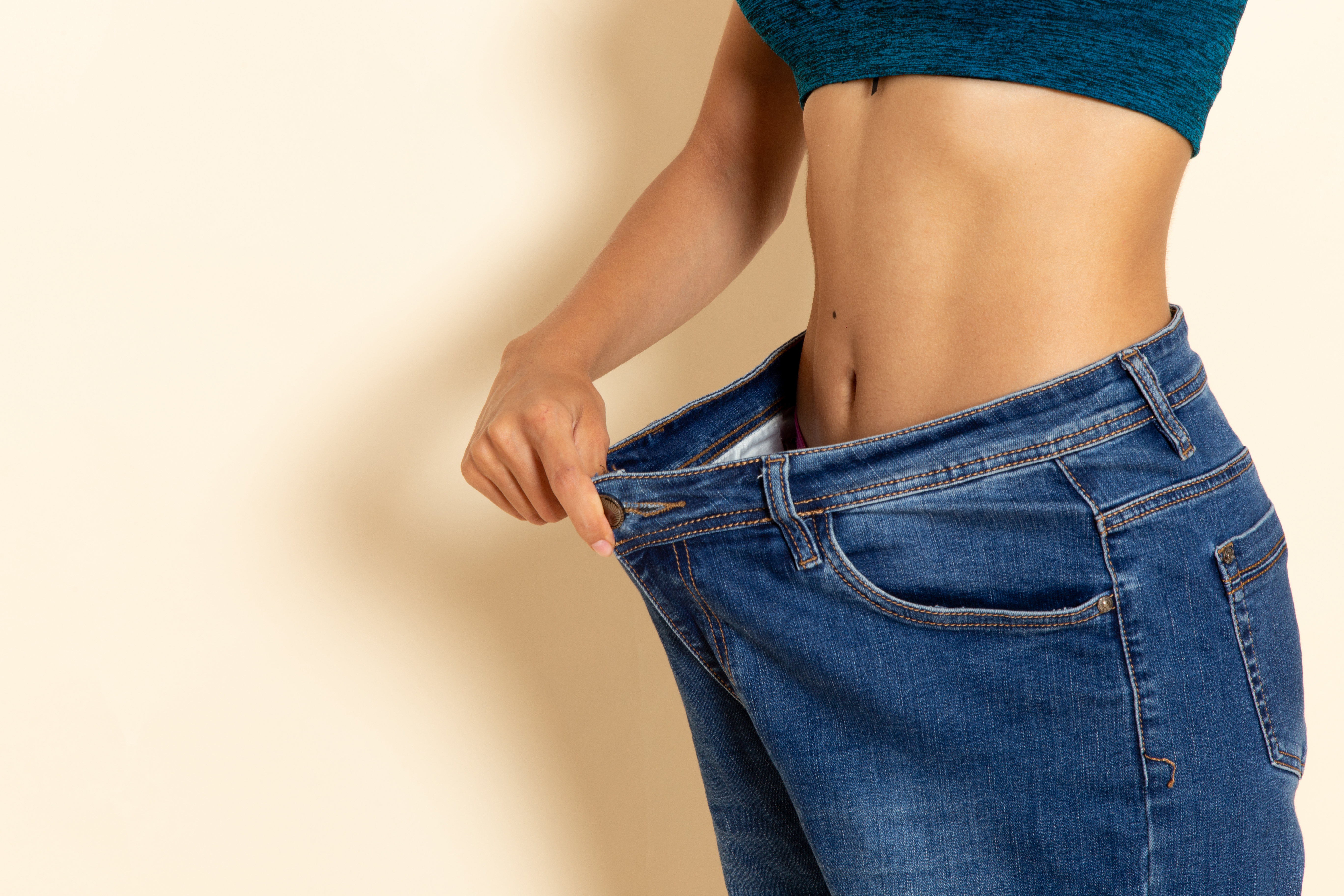
The most common follow-up question patients ask is whether the body can make brand new fat cells after . The honest answer is yes, under certain conditions. This is one of the most important parts of the long-term picture.
In adulthood, the body generally keeps a stable fat cell count. Gaining weight mostly enlarges existing cells. When weight gain is significant and existing fat cells become very full, the body can create new fat cells to store the extra energy. This can happen in treated or untreated areas.
This is not a flaw in . It is how the body handles a large energy surplus. New fat cells can form after any weight change, whether a person has had a body contouring treatment or not.
If you keep a stable weight after , the chance of forming many new fat cells is low. Your treated area keeps its lower cell count, and your contour stays in place.
If you gain a large amount of weight, two things may happen. First, the remaining fat cells will grow. Second, the body may add new fat cells over time. Both changes can reduce the visible difference created.
Some patients worry that treating one area will push fat into another area. does not force fat to move. The body does not send stored fat from a treated area to a new spot.
If someone gains weight after treatment, that new fat goes to areas that still have plenty of fat cells. Because the treated area has fewer cells, the gain may look more noticeable elsewhere. This can feel like fat “moved” when it simply settled where there was more room to store it.
For this reason, we often talk with patients about the whole body, not just one spot. Balance matters for a natural look.
Fat-freezing treatment removes fat cells. Your daily habits decide whether the cells that remain stay small. Patients who pair treatment with steady, realistic habits tend to see the longest-lasting results.
You do not need an extreme diet or an intense training plan. You need routines you can keep for years.
Build meals around protein and vegetables. Protein helps you feel full and supports muscle. Vegetables add fiber and volume without adding many calories.
Limit sugary drinks. Sodas, sweet coffee drinks, and juices add calories quickly without keeping you full.
Watch portion sizes. Using smaller plates and eating slowly can help you notice when you are full.
Plan for busy days. Having simple, healthy foods ready makes it easier to avoid fast food when time is short.
Keep alcohol moderate. Alcohol adds calories and can lower your resolve around food choices.
Walk daily. Regular walking supports weight stability and is easy to fit into most schedules.
Add strength training. Building muscle helps your body use more energy at rest and improves the look of treated areas, especially the abdomen and thighs.
Work your core. Strong abdominal and back muscles help hold the midsection in and complement abdominal fat reduction.
Stay consistent. Moderate movement most days matters more than occasional hard workouts.
Poor sleep and ongoing stress can affect appetite and fat storage. Hormone changes can also shift where the body holds fat, especially for patients going through menopause or for men with low testosterone. These changes can make it harder to hold a stable weight even when eating and exercise habits stay the same.
Our wellness services look at factors such as these. For some patients, a conversation about hormone replacement therapy is part of the bigger picture of keeping weight steady as the body changes.
Some patients reach a point where habits alone are not enough to keep their weight stable. This is where medical support can help. Our medical weight loss program and weight loss injections give patients structured support to reach and hold a healthy weight.
Medical weight loss and work well together because they address different problems. Weight loss care lowers overall body fat by shrinking fat cells throughout the body. lowers the number of fat cells in specific stubborn areas. Many patients find that losing weight first and then contouring stubborn spots gives them the most balanced result.
Having both services under one roof means we can talk about your weight goals and your contour goals at the same time. You do not have to piece together a plan on your own.
Understanding the timeline helps patients avoid frustration early on and stay confident about long-term outcomes. results unfold in stages.
Patients do not see fat loss right after a session. The treated area may look a little red, feel firm, or feel numb for a while. These are normal short-term effects as the tissue recovers from cooling. The actual fat reduction has not happened yet because the cells have only begun the breakdown process.
As apoptosis continues, the body starts clearing the damaged fat cells. Some patients notice their clothes fitting a little differently around three to four weeks. Others do not see much change yet. Both are normal.
This is when most patients see the clearest change. The body has cleared much of the treated fat, and the area looks flatter or more contoured. This is a good time to compare how the area looks with how it looked before treatment.
Some patients continue to see small improvements as the body finishes its cleanup work. After this stage, the result is largely settled. From here on, how the area looks depends on weight stability, muscle tone, and natural aging.
Years after treatment, the treated area still has fewer fat cells than it did before. Patients who maintain their weight usually keep a visible improvement. Patients who gain weight may see the area fill in somewhat, though often less than untreated areas.
The immediate result is about patience. The long-term result is about maintenance. Both matter, and knowing the difference helps patients judge their outcome fairly.
Weight alone is not a good way to track results. Because the treatment targets a small area, the change on the scale is usually minimal. Better ways to track progress include:
How clothes fit. Waistbands, pants, and fitted shirts often show changes before you notice them in the mirror.
Measurements. A tape measure around the treated area can show change over time.
Photos. Taking photos from the same angle and in the same lighting helps you compare fairly.
Tracking progress this way also helps you notice early if weight starts creeping up, so you can adjust habits before the change becomes large.
The question at the center of this guide, Does Fat Come Back After ? The Long-Term Truth, comes down to a few clear points that patients can use when making decisions.
causes treated fat cells to break down and leave the body. Those cells do not come back. This part of the result is permanent.
Fat cells that were not treated, in the same area and elsewhere, can still expand with weight gain. Significant weight gain can also lead the body to create new fat cells. This is the main reason a result may seem to fade.
Patients who keep a steady weight tend to keep their improved contour for many years. Small, normal fluctuations rarely undo results. Large gains can.
Fat-freezing treatment reshapes stubborn areas. It is not designed for large amounts of weight loss and does not treat deep visceral fat. Patients who need to lose more weight often benefit from starting with medical weight loss and adding contouring later.
The longest-lasting results usually come from combining contouring with steady habits and, when needed, medical support for weight and hormones. Treating your body as a whole helps keep results balanced and natural.
Patients who understand how works tend to be more satisfied over time. Dr. Melinda Keener talks through your goals, your body shape, and your weight history so the plan fits what you want to achieve. You leave knowing what the treatment can do, what it cannot do, and what your role is in keeping results.
Every patient’s body and goals are different. A conversation with Dr. Melinda Keener can help you decide whether fits your goals, whether another approach would serve you better, or whether a combination plan makes the most sense. You can read more Our Team and the range of care we offer in Starke, FL.
The answer to Does Fat Come Back After ? The Long-Term Truth is reassuring. The fat cells removed by treatment are gone for good. The fat cells that remain can still grow, and large weight gain can lead to new ones. Stable weight, steady habits, and support for weight and hormones when needed keep your contour in place for years. changes the number of fat cells in a stubborn area. Your daily routine decides how that area looks from here on.